The Path to Empowerment: Rehabilitation Options for the Deaf and How They Can Be Helped
Living with deafness, whether from birth or acquired later in life, presents unique challenges—but also opens doors to diverse rehabilitation options. Today, thanks to advances in medical science, technology, and community support, individuals who are deaf have more pathways than ever to communicate, learn, and thrive. But what are the main rehabilitation options for the deaf, and how can society play a more active role in supporting them? This article explores the spectrum of rehabilitation methods, their effectiveness, and actionable ways to help the deaf community lead empowered, independent lives.
Understanding Deafness: Types and Impact on Communication
Before diving into rehabilitation, it's vital to understand the different types of deafness and how they affect communication. Deafness can be classified as congenital (present at birth) or acquired (developed later due to illness, injury, or aging). According to the World Health Organization (WHO), over 430 million people worldwide require rehabilitation to address their disabling hearing loss—a number which is projected to grow to nearly 700 million by 2050.
.png)
Deafness impacts not just auditory perception but also language development, social interaction, and educational attainment. For children born deaf, early intervention is key to developing communication skills, while adults who lose hearing may need support to adjust and maintain quality of life. Understanding these differences is crucial for choosing appropriate rehabilitation strategies.
Medical and Technological Rehabilitation Options
The most widely recognized rehabilitation methods for the deaf involve medical and technological interventions. These options can restore partial hearing or provide alternative routes for sound perception.
1. Cochlear Implants: Cochlear implants are surgically implanted electronic devices that bypass damaged portions of the ear and directly stimulate the auditory nerve. According to the National Institutes of Health (NIH), as of 2022, around 736,900 cochlear implants have been implanted worldwide. They are especially beneficial for children with profound sensorineural hearing loss, offering access to sound and improving speech perception. However, successful outcomes depend on early implantation and intensive post-surgical rehabilitation. 2. Hearing Aids: Unlike cochlear implants, hearing aids amplify sounds and are suitable for those with mild to moderate hearing loss. The global hearing aid market surpassed $8.5 billion in 2023, reflecting widespread adoption. Modern digital hearing aids are programmable, discreet, and capable of connecting to smartphones and other devices. 3. Auditory Brainstem Implants: For individuals who cannot benefit from cochlear implants, such as those with damaged auditory nerves, auditory brainstem implants (ABIs) are an alternative. Though less common, ABIs can provide sound awareness and limited speech understanding.The table below summarizes key differences:
| Rehabilitation Option | Suitable For | Level of Hearing Restoration | Invasiveness | Post-Implant Rehabilitation Needed |
|---|---|---|---|---|
| Cochlear Implant | Profound sensorineural hearing loss | High (with training) | Surgical | Extensive |
| Hearing Aid | Mild to moderate hearing loss | Moderate | Non-surgical | Minimal |
| Auditory Brainstem Implant | No functioning auditory nerve | Varies (usually sound awareness) | Surgical | Extensive |
Language-Based Rehabilitation: Sign Language and Beyond
For many individuals, especially those born deaf or who become deaf early in life, sign language is the cornerstone of communication and rehabilitation. Rather than attempting to "fix" hearing, this approach embraces deafness as a cultural identity and focuses on language acquisition, literacy, and social integration.
1. Sign Language Education: Sign languages, such as American Sign Language (ASL), British Sign Language (BSL), or Czech Sign Language (Český znakový jazyk), are fully developed languages with their own grammar and structure. Early exposure to sign language is linked to improved cognitive development and academic achievement. Research published in the Journal of Deaf Studies and Deaf Education shows that deaf children fluent in sign language perform better academically and socially than those without access to a visual language. 2. Bilingual-Bicultural (Bi-Bi) Programs: Many schools employ a bilingual-bicultural model, teaching deaf students in both sign language and the written/spoken language of their country. This model fosters literacy, cultural pride, and smoother integration with the wider society. 3. Speech and Lip-Reading Training: Speech therapy and lip-reading (speechreading) can help some deaf individuals communicate orally, especially those with residual hearing or who have lost hearing later in life. These skills require intensive, ongoing practice but can expand communication possibilities in mixed settings.Social and Psychological Rehabilitation: Building Confidence and Connection
Rehabilitation for the deaf goes beyond physical devices and language—it must also address social and psychological well-being. Deaf individuals can face isolation, low self-esteem, and mental health challenges due to communication barriers.
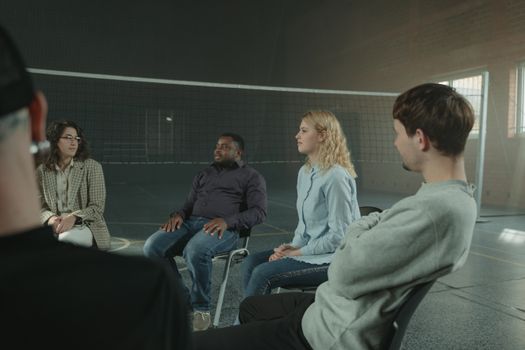
1. Peer Support Groups: Joining deaf clubs or organizations provides opportunities for socialization, emotional support, and networking. Studies indicate that deaf adults active in peer groups report higher life satisfaction and lower rates of depression. 2. Counseling and Mental Health Services: Access to therapists fluent in sign language or trained in deaf culture is essential. In the United States, about 40% of deaf adults experience mental health challenges, compared to 25% of hearing adults, largely due to barriers in accessing appropriate services. 3. Family Counseling and Education: Involving families in the rehabilitation process helps bridge communication gaps and fosters understanding. Workshops and family sign language classes can empower parents and siblings to support their deaf loved one’s development.Educational and Vocational Rehabilitation: Pathways to Independence
Access to quality education and job opportunities is fundamental for the empowerment of deaf individuals. Educational and vocational rehabilitation equips them with the skills needed to participate fully in society.
1. Inclusive Education: Mainstream schools with support services, such as interpreters and note-takers, allow deaf students to learn alongside their hearing peers. Alternatively, specialized schools for the deaf provide an immersive environment where sign language is the primary mode of instruction. 2. Assistive Technologies in Learning: Text-to-speech software, captioned videos, and visual alert systems help deaf students access information. According to a 2021 report, over 80% of universities in Europe offer captioned lectures for deaf and hard-of-hearing students. 3. Vocational Training and Job Placement: Vocational rehabilitation agencies offer job training, resume workshops, and workplace accommodations. In the Czech Republic, for example, targeted employment programs have increased deaf employment rates by 15% over the past decade.The Role of Society: How Everyone Can Help the Deaf Community
While medical and educational interventions are essential, society at large plays a crucial role in rehabilitation and empowerment for the deaf. Here are actionable ways to make a positive impact:
- Learn basic sign language: Even a few phrases can break down barriers and show respect. - Advocate for accessibility: Push for captions, interpreters, and visual alerts in public spaces. - Support deaf-owned businesses and creators: Patronize services and products made by the deaf community. - Challenge stereotypes: Treat deaf individuals as equals, recognizing their abilities and contributions. - Promote inclusive policies: Encourage schools, workplaces, and governments to adopt practices that accommodate the deaf.By creating a more inclusive environment, we not only help deaf individuals access rehabilitation but also ensure their full participation in society.
Empowering the Deaf: A Holistic Approach to Rehabilitation
Rehabilitation for the deaf is far from a one-size-fits-all process. It requires a holistic approach—combining medical, linguistic, psychological, educational, and societal strategies—to unlock each person’s potential. Whether through cochlear implants, sign language, peer support, or vocational training, the goal is empowerment and inclusion. With continued advances and a collective commitment to accessibility, the path to full participation for the deaf community is clearer than ever.