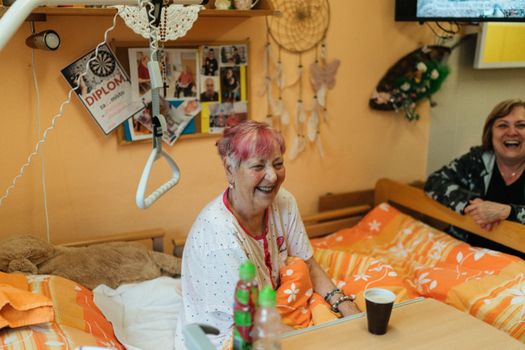
For millions of deaf and hard-of-hearing individuals worldwide, access to education and meaningful employment often comes with unique challenges. Traditional learning environments and mainstream career development paths may not always cater to their needs, which can limit opportunities for personal and professional growth. However, the landscape is changing. Specialized courses for the deaf are expanding in scope and availability, offering customized learning experiences that boost skills, confidence, and career prospects. Whether you are deaf, hard-of-hearing, or supporting someone who is, understanding the options for specialized courses—and how they can open doors—can make a significant difference.
Why Specialized Courses Matter for the Deaf Community
Education and training are cornerstones of career success. For deaf individuals, specialized courses provide tailored approaches that bridge the gap between aspiration and achievement. According to the World Health Organization, over 5% of the world’s population—about 430 million people—have disabling hearing loss. In the Czech Republic alone, estimates suggest that nearly 70,000 people are deaf or severely hard-of-hearing.
Standard courses often lack accessible content, interpreters, or visual aids, creating barriers for deaf learners. Specialized courses, on the other hand, address these needs directly. They may use sign language, captioned video, visual aids, or adaptive technology, ensuring every learner can fully engage with the material.
.png)
Such courses also foster a sense of community, reduce feelings of isolation, and empower deaf individuals to pursue new skills or even transition into entirely new industries. Whether in the arts, technology, business, or skilled trades, specialized courses can be a crucial launching pad.
Types of Specialized Courses for Deaf Learners
The range of specialized courses for the deaf is broader than ever, reflecting the diverse interests and ambitions of the community. Here are some of the most common and impactful categories:
1. $1 Many deaf individuals choose to deepen their proficiency in sign language (such as Czech Sign Language, American Sign Language, or International Sign). Courses often cover advanced vocabulary, interpreting, or even teaching sign language, which can lead to jobs in education or interpretation. 2. $1 Sectors like information technology, graphic design, and skilled trades have seen an increase in accessible, hands-on training programs for the deaf. For example, the Czech Republic’s Association of the Deaf offers courses in computer programming, digital marketing, and office software, with materials adapted for visual learning and sign language support. 3. $1 Business incubators and entrepreneurship workshops tailored for the deaf help participants develop business plans, financial management skills, and marketing strategies. In 2023, the European Union funded more than 50 such workshops across Central Europe, serving over 1,200 deaf participants. 4. $1 From visual arts to theater, specialized courses allow deaf people to explore their artistic talents. For instance, Prague’s Theatre for the Deaf offers acting workshops, stage production courses, and scriptwriting classes—all conducted in sign language. 5. $1 Soft skills (such as teamwork, leadership, and communication) are crucial in most professions. Courses specifically adapted for deaf learners use role-playing, visual tools, and real-life scenarios to build these competencies, making graduates more competitive in the job market.Online and In-Person Learning: What Works Best?
The choice between online and in-person learning has become increasingly relevant—especially since the COVID-19 pandemic accelerated digital education. For deaf learners, both modalities have distinct advantages and challenges.
| Learning Mode | Advantages | Challenges |
|---|---|---|
| Online Courses | - Accessible from anywhere - Flexible timing - Often include captions or sign language interpretation - Can replay lessons |
- Requires reliable internet - Limited personal interaction - Some platforms lack full accessibility |
| In-Person Courses | - Direct sign language communication - Immediate feedback - Stronger sense of community - Hands-on practice |
- Location-bound - Less flexible scheduling - May require travel or relocation |
As of 2024, more than 70% of specialized courses for the deaf in Europe offer both online and in-person options. The best choice depends on individual learning preferences, accessibility needs, and course availability.
Technology’s Role in Accessible Learning
Innovations in technology have revolutionized accessible education for the deaf. From video-based platforms to AI-powered captioning, technology bridges the communication gap and enhances the learning experience.
Some of the most impactful tools include:
- $1 Platforms like Zoom and Microsoft Teams offer real-time captions, making live classes more accessible. According to a 2023 study, 82% of deaf learners found automatic captions “helpful” or “very helpful” in understanding course content. - $1 Online repositories host thousands of educational videos in sign language, covering subjects from mathematics to career guidance. The European Sign Language Centre’s video library, for example, receives over 500,000 visits per year. - $1 Many specialized courses use apps tailored for deaf users, such as visual learning games or sign vocabulary trainers. Virtual whiteboards and group collaboration tools also enable more interactive, inclusive participation. - $1 Devices like smartwatches or alerting systems can notify deaf students of important cues (such as a teacher asking a question or a class change), ensuring they remain fully engaged without missing information.Funding and Support for Deaf Learners
Cost is often a barrier to further education, but there are many grants, scholarships, and support services specifically for deaf students. In the Czech Republic and across the EU, specialized funding programs are designed to cover tuition, materials, and even assistive technology.
- $1 Organizations such as the Czech Union of the Deaf and the European Federation of Hard of Hearing People offer annual scholarships for vocational training or university studies. In 2022, these programs awarded over €2 million in financial aid across Europe. - $1 Many countries provide subsidies for specialized courses, travel costs, and sign language interpretation. In the Czech Republic, the Ministry of Labour and Social Affairs funds retraining programs for the deaf, with over 800 participants enrolled annually. - $1 Support doesn’t end in the classroom. Many agencies match deaf learners with mentors in their chosen fields, helping them build networks and navigate the job market.Real-World Success Stories: Impact of Specialized Courses
The long-term benefits of specialized courses are best demonstrated by real-world outcomes. Here are a few examples:
- $1 A 2021 survey by the Czech National Association of Deaf Employees found that 67% of deaf adults who completed specialized IT courses gained better employment within a year, often in higher-paying roles. - $1 After attending a business workshop for the deaf, Jana, a Prague-based entrepreneur, successfully started an online craft store. She credits the course’s use of sign language and visual resources with helping her build a business plan and secure a microloan. - $1 Deaf students participating in mentoring programs alongside specialized academic courses were 40% more likely to complete their degrees, according to a 2020 EU-funded study.These stories highlight that, with the right resources, deaf individuals can excel in diverse fields and contribute meaningfully to society.
Building a Brighter Future: The Expanding Landscape of Specialized Courses
Specialized courses for the deaf are more than just an alternative to mainstream education—they are a gateway to skills, confidence, and new opportunities. As technology evolves and societal awareness grows, the number and quality of these programs continue to rise. Whether learning online or in-person, pursuing art or engineering, deaf learners now have unprecedented access to resources that can transform their careers and lives.
For anyone interested in improving skills or exploring new career paths, researching available specialized courses, leveraging funding opportunities, and embracing new technologies are essential steps. By doing so, the deaf community can continue to break barriers and achieve their ambitions.