Learning how to effectively communicate with the Deaf is not only a practical skill but also a crucial step toward building a more inclusive society. In the United States alone, an estimated 1 million people are functionally deaf, and approximately 11.5 million have some degree of hearing loss that affects their day-to-day lives, according to the National Institute on Deafness and Other Communication Disorders (NIDCD). With such significant numbers, the importance of bridging communication gaps cannot be overstated.
Whether you’re a friend, family member, educator, healthcare provider, or simply a member of the public wanting to be more inclusive, understanding how to communicate effectively with the Deaf can make a profound difference. This guide explores practical tips, common misconceptions, and innovative tools, empowering you to connect, build trust, and foster meaningful interactions.
The Foundations of Communication: Understanding the Deaf Experience
Before diving into techniques, it’s vital to understand the Deaf experience and the diversity within the Deaf community. Not everyone who is deaf communicates in the same way. For example, some people primarily use American Sign Language (ASL), while others rely on lip reading, written communication, or assistive technologies.
.png)
A Pew Research Center study in 2023 found that only about 23% of deaf Americans use ASL as their primary language, while many use a combination of methods depending on the context. Additionally, Deaf culture includes unique values, norms, and social rules, which can influence communication preferences.
Key facts: - The term “Deaf” with a capital ‘D’ often refers to individuals who identify culturally with the Deaf community and typically use sign language. - Communication needs may change based on context, degree of hearing loss, and individual preference. - Respecting personal communication choices is fundamental to effective interaction.Practical Communication Strategies: Beyond Sign Language
While learning some basic signs or ASL is always beneficial, there’s much more to effective communication with the Deaf than mastering hand movements. Here are practical strategies you can use in everyday interactions:
1. $1 Before starting a conversation, gently tap the person’s shoulder, wave in their line of sight, or flick the lights on and off. Avoid startling gestures. 2. $1 Always maintain eye contact and avoid covering your mouth, as many Deaf individuals rely on facial expressions and lip reading. 3. $1 If you are speaking, enunciate clearly, but don’t exaggerate your lip movements. Shouting distorts words and can make lip reading more difficult. 4. $1 Pen and paper, smartphone notes, whiteboards, or visual cues can fill communication gaps quickly. Technology like speech-to-text apps (e.g., Ava or Google Live Transcribe) can also be invaluable. 5. $1 Non-verbal cues play a large role in Deaf communication. Use expressive gestures and facial expressions to convey meaning and emotion. 6. $1 Don’t hesitate to check for understanding by asking if your message was clear or offering to repeat or rephrase.A 2022 survey by the Hearing Loss Association of America revealed that 68% of Deaf respondents felt more included when people made an effort to use visual aids and written communication, compared to situations where only verbal language was attempted.
Technology’s Role in Bridging Communication Gaps
In recent years, technology has become a powerful ally in overcoming communication barriers. Here’s an overview of some widely-used solutions:
| Technology | Description | Best For | Accessibility |
|---|---|---|---|
| Video Relay Services (VRS) | Allows Deaf individuals to communicate via sign language interpreter over video calls | Phone calls, remote meetings | Free for users, provided by FCC-certified companies |
| Speech-to-Text Apps | Transcribes spoken words in real-time to text on a device | Conversations, meetings, lectures | Widely available, often free or low-cost |
| Captioned Telephones | Displays captions of spoken words during a phone call | Telephone conversations | Available via state programs, often free for users |
| Text Messaging & Email | Written exchanges that eliminate need for audio | Everyday communication, appointments | Universal, requires literacy |
| Remote Interpreting Services | On-demand sign language interpreters via video | Medical, legal, and emergency settings | Fee-based, sometimes covered by institutions |
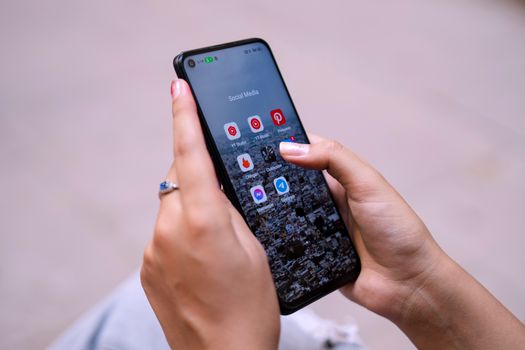
In 2021, the Federal Communications Commission (FCC) reported that over 500,000 Deaf and hard-of-hearing Americans used VRS on a regular basis. Furthermore, the proliferation of smartphones and apps like Otter.ai and Google Live Transcribe has made real-time transcription more accessible than ever before.
Common Pitfalls and Misconceptions to Avoid
Effective communication is as much about what you don’t do as what you do. Many well-meaning people make mistakes that can inadvertently create barriers or come across as patronizing. Here are some common pitfalls:
- $1 Only about 30-35% of English sounds are visible on the lips, and not every Deaf person is skilled at lip reading. Don’t rely solely on this method. - $1 Exaggerated speech can hinder rather than help comprehension. - $1 Always address the Deaf person directly, even if an interpreter is present. - $1 Always ask before bringing in an interpreter or using technology, as preferences vary. - $1 Deafness does not affect intelligence or language comprehension. Use age-appropriate, respectful language.A 2020 study by Gallaudet University found that 47% of Deaf adults reported feeling excluded in healthcare settings due to communication misunderstandings or being spoken to indirectly.
Building Confidence and Trust: How to Foster Inclusive Interactions
Communication is not just about words; it’s also about building rapport and trust. Here’s how you can foster more meaningful and inclusive interactions with Deaf individuals:
- $1 Even a handful of signs (like “hello,” “thank you,” or “help”) signals respect and effort. - $1 Communication may take longer. Give time for responses and avoid rushing. - $1 Ask the Deaf person what methods work best for them and be willing to adapt. - $1 In group settings, ensure Deaf participants have visual access to speakers and materials. Circular seating or good lighting can help. - $1 Share what you’ve learned with friends, family, or colleagues to expand inclusivity beyond your interactions.Real-world example: The University of Michigan’s Inclusive Communication Initiative trained over 2,000 staff in visual communication strategies in 2022, resulting in a 30% increase in positive feedback from Deaf students regarding campus accessibility.
Situational Tips: Adapting Communication for Different Contexts
Every setting poses unique challenges and opportunities for effective communication. Here are some tailored tips for common scenarios:
- $1 Always offer a professional interpreter; never rely on family members or friends to interpret complex information. Use visual aids and written instructions. - $1 Teachers should face the class, use captioned videos, and offer notes in advance. Peer notetakers or real-time captioners can support learning. - $1 Provide meeting agendas in advance, use video conferencing platforms with built-in captions (like Zoom or Microsoft Teams), and ensure emergency alerts are visual and audible. - $1 Choose well-lit, quiet venues, and alert Deaf guests to schedule changes via text or email. Use group messaging apps to coordinate.Each scenario may require flexibility, but thoughtful planning and openness make all the difference.
Why Effective Communication with the Deaf Matters More Than Ever
The world is becoming increasingly interconnected, and with that comes a responsibility to ensure everyone can participate fully. Effective communication with the Deaf isn’t just about accessibility—it’s about human dignity, equity, and respect.
As workplaces, schools, and public spaces become more diverse, the ability to connect across communication differences enriches communities and strengthens relationships. From leveraging new technologies to embracing cultural awareness, the tools and strategies are at our fingertips.
By striving for clear, respectful, and inclusive communication, you help create a world where Deaf individuals are not just accommodated, but truly included.