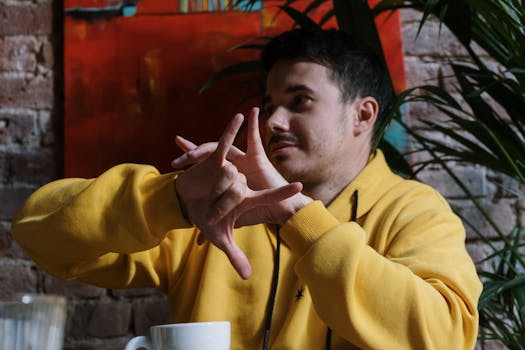
In today’s diverse and interconnected world, cultural and artistic projects play a vital role in enriching communities and celebrating unique perspectives. For deaf individuals and allies, engaging in these projects not only fosters creativity but also empowers the deaf community by amplifying its stories, talents, and heritage. Whether you are deaf yourself, a family member, an artist, or simply someone passionate about inclusion, there are numerous ways to actively participate in cultural and artistic projects designed for or led by the deaf community. This article explores practical pathways, inspiring examples, and concrete opportunities to get involved, as well as the transformative impact such involvement can have on individuals and society at large.
The Importance of Deaf-Led Cultural and Artistic Initiatives
Cultural and artistic projects that center on deaf experiences contribute significantly to self-expression, identity formation, and the preservation of deaf culture. According to the World Federation of the Deaf, there are over 70 million deaf people worldwide, each with a distinct linguistic and cultural heritage. These projects—ranging from visual arts and theater to poetry slams and film festivals—offer a platform for deaf voices to be heard, often challenging mainstream narratives and stereotypes.
One notable example is the annual Deaf Culture Festival in Toronto, which attracts over 5,000 visitors and features deaf artists, performers, and workshops. Events like these not only showcase creative talent but also foster cross-cultural understanding and community pride. Furthermore, research from the National Endowment for the Arts found that participation in the arts improves social cohesion and mental well-being, benefits that are especially meaningful for marginalized groups.
.png)
Types of Artistic Projects and How to Get Involved
The deaf community is actively involved in a variety of artistic disciplines. Here are some key areas and ways you can participate:
1. Deaf Theatre and Performance Art Many cities now have deaf-led theater troupes, such as Deaf West Theatre in Los Angeles, which is renowned for its bilingual productions in American Sign Language (ASL) and English. Getting involved can mean auditioning for roles, volunteering backstage, participating in workshops, or supporting through fundraising efforts. 2. Visual Arts and Exhibitions Deaf artists often draw inspiration from their unique perspectives, exploring themes like communication, identity, and accessibility. Galleries and museums frequently host exhibitions featuring deaf artists—look for open calls or community art groups where you can display your work or collaborate on collective projects. 3. Film and Media Film festivals such as the Deaffest in the UK and the Chicago International Deaf Film Festival provide platforms for deaf filmmakers. You can get involved by submitting films, attending screenings, joining production crews, or assisting with festival organization. 4. Literary Arts and Poetry Sign language poetry and storytelling are powerful ways to share deaf experiences. Look for local or online poetry slams, writing collectives, or storytelling workshops focused on sign language literature. 5. Community Murals and Public Art Public art projects offer opportunities for collaboration and visibility. Many cities offer grants or open calls for mural projects, encouraging deaf artists and community members to contribute their vision to public spaces.Finding Opportunities: Organizations and Resources
To participate in or support deaf cultural projects, it’s essential to connect with organizations dedicated to the deaf arts. Here’s a comparison table highlighting several prominent organizations and what they offer:
| Organization | Focus Area | Opportunities Offered | Geographic Scope |
|---|---|---|---|
| Deaf West Theatre | Theater & Performance | Workshops, auditions, internships, outreach | USA (Los Angeles-based, tours nationally) |
| Deafinitely Theatre | Theater & Drama | Community projects, training, performances | UK (London-based) |
| Deaf Arts Festival | Visual & Performing Arts | Exhibitions, film screenings, artist residencies | International |
| Handtype Press | Literary Arts | Writing competitions, book publishing | International |
| National Association of the Deaf (NAD) | Advocacy & Arts | Workshops, advocacy, networking | USA |
These organizations often advertise open calls for participants, volunteers, and collaborators. Joining their mailing lists or following their social media feeds is an excellent way to stay informed about upcoming events and projects.
Learning and Skill-Building for Deaf Artistic Engagement
For those new to the arts or looking to deepen their involvement, many resources exist to build the necessary skills:
- Workshops and Masterclasses: Many deaf arts organizations host accessible workshops in acting, painting, filmmaking, and more. For example, the Canadian Cultural Society of the Deaf offers annual summer camps for young artists. - Online Learning: Platforms like Coursera and Skillshare are increasingly offering courses with sign language interpretation or captions, making them accessible for deaf learners. - Mentorship Programs: Connecting with established deaf artists through mentorship programs can provide guidance, networking, and career development. The UK’s Deaf Explorer program matches emerging artists with mentors in their field.Additionally, universities such as Gallaudet University in Washington, D.C.—the world’s only liberal arts university for the deaf—offer degrees and certifications in visual and performing arts tailored to deaf students. As of 2023, Gallaudet’s art program has produced over 600 graduates, many of whom have gone on to exhibit internationally.
Inspiring Examples: Deaf Artists and Projects Making an Impact
Getting involved is not just about participation—it’s about contributing to a legacy of creativity and advocacy. Consider these inspiring examples:
- Christine Sun Kim, a deaf sound artist from the United States, uses visual art to explore sound and communication. Her work has been exhibited at the Museum of Modern Art (MoMA) and the Whitney Biennial, challenging viewers to reconsider how sound is experienced. - The Flying Words Project, led by Peter Cook and Kenny Lerner, is a performance duo blending American Sign Language poetry with spoken word, touring across North America and collaborating with deaf and hearing artists alike. - In 2022, the Sydney Deaf Festival in Australia featured over 50 deaf artists and performers, drawing a record crowd of 4,000 attendees and raising awareness of deaf culture through interactive workshops and public art.These examples demonstrate that deaf-led art is both innovative and influential, attracting mainstream attention and bringing about social change.
How Allies and the Hearing Community Can Support Deaf Art
Inclusion is a two-way street. Allies—whether hearing individuals, family members, or organizations—play a crucial role in supporting deaf-led cultural projects. Here are practical steps for meaningful allyship:
- Learn Sign Language: Even basic proficiency in sign language can break down barriers and make events more accessible. - Advocate for Accessibility: Encourage art venues and event organizers to provide sign language interpreters, captioning, and visual aids. - Volunteer Skills: Offer your expertise in areas like event planning, promotion, or technical support to deaf arts organizations. - Amplify Deaf Voices: Share deaf artists’ work on social media, write articles or reviews, and invite deaf speakers to community events. - Respect Deaf Leadership: Support projects that are deaf-led or involve deaf consultants in decision-making, ensuring authentic representation.According to a 2021 survey by the National Endowment for the Arts, 63% of Americans are more likely to attend arts events if they are accessible to people with disabilities, highlighting the growing demand for inclusive programming.
Final Thoughts on Embracing Deaf Culture Through the Arts
Getting involved in cultural and artistic projects for the deaf is a rewarding journey that bridges communities, stimulates creativity, and celebrates diversity. Whether by participating as an artist, volunteering, learning new skills, or simply attending events, your involvement helps shape a more inclusive and vibrant cultural landscape. With a wealth of organizations, resources, and inspiring leaders to guide the way, there has never been a better time to engage with and support the rich artistic heritage of the deaf community.