Deaf Culture and Traditions: How to Maintain and Pass on Our Values
The Deaf community is rich with its own unique culture, history, and traditions. These values have been forged over centuries of shared experiences, language, and resilience. As the world becomes more interconnected, preserving and passing on Deaf culture has never been more important. Today, technology, mainstream education, and changing social attitudes present both opportunities and challenges to the transmission of Deaf values. In this article, we explore the heart of Deaf culture, examine the forces that shape it, and provide practical strategies for ensuring these cherished traditions endure for generations to come.
Understanding the Core of Deaf Culture
Deaf culture is not defined merely by the inability to hear. It is a vibrant social identity rooted in shared language, history, and collective experience. Central to Deaf culture is sign language—such as American Sign Language (ASL), Czech Sign Language (Český znakový jazyk), or British Sign Language (BSL)—which is far more than a tool for communication. It is the heartbeat of the community, fostering a sense of belonging and pride.
Key cultural values include:
- Visual communication and storytelling - Strong sense of community and mutual support - Pride in Deaf identity and history - Emphasis on collective achievementAccording to the World Federation of the Deaf, there are approximately 70 million Deaf people worldwide who use sign language as their primary means of communication. This vast, global community shares traditions such as Deaf clubs, signed poetry, and visual arts, all of which reinforce cultural bonds.
.png)
Key Traditions in Deaf Culture: Past and Present
Deaf traditions span generations and continents. While some have evolved with the times, others remain steadfast pillars of identity.
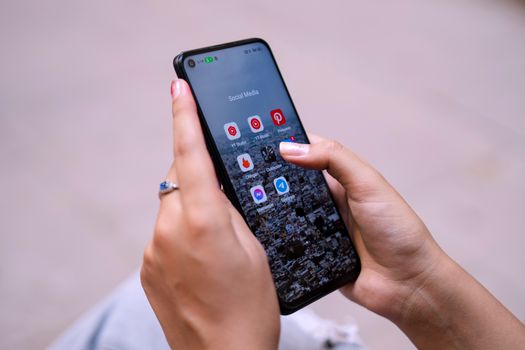
Historical Traditions: - Deaf Clubs: In the 20th century, Deaf clubs were the beating heart of the community. These social hubs offered a safe space for sharing news, education, and cultural events in sign language. - Storytelling: Visual storytelling and signed folklore have been used to pass on wisdom, humor, and history, often accompanied by expressive facial and body language. Modern Expressions: - Deaf Theater and Arts: Troupes such as the National Theatre of the Deaf (USA) and the International Visual Theatre (France) showcase Deaf talent and creativity. - Online Communities: Social media, vlogs, and online forums have become virtual meeting places, enabling the global Deaf community to share content, organize events, and support each other.Certain traditions—like the annual World Federation of the Deaf Congress—have successfully bridged the old and new, drawing thousands worldwide to celebrate Deaf unity and advocacy. Yet, some traditional meeting places have declined, raising concerns about cultural continuity.
The Role of Sign Language in Passing on Values
Sign language is the lifeblood of Deaf culture. It is not merely a substitute for spoken language; it is a complex, fully developed language with its own grammar, idioms, and literature. Passing on sign language is essential for cultural survival.
Research shows that early exposure to sign language is linked to: - Higher academic achievement - Stronger self-esteem - Deeper sense of cultural identityA 2019 study published in the Journal of Deaf Studies and Deaf Education found that Deaf children who learn sign language from birth score significantly higher in linguistic and cognitive development compared to those introduced later.
Intergenerational transmission remains a challenge, as over 90% of Deaf children are born to hearing parents, many of whom have little initial exposure to sign language. Community-based programs, Deaf mentors, and family education initiatives play a vital role in bridging this gap.
Challenges to Maintaining Deaf Traditions in a Changing World
Deaf culture faces both internal and external pressures that complicate the preservation of values and traditions.
Mainstreaming in Education: Inclusive education has opened opportunities for Deaf students to learn alongside hearing peers. However, this often comes at the cost of limited access to sign language and Deaf role models, potentially weakening cultural bonds.
Technology: Cochlear implants and hearing aids have sparked debate within the community. While these devices offer options for individuals, some fear they may erode the use of sign language and cultural pride.
Isolation: As Deaf clubs and schools decline in some regions, social isolation becomes a risk, especially for rural Deaf populations.
To better understand these evolving dynamics, consider the following comparison:
| Aspect | Traditional Deaf Culture | Contemporary Trends |
|---|---|---|
| Primary Communication | Sign language in all interactions | Mix of sign, spoken language, and text |
| Social Hubs | Deaf clubs, schools, local gatherings | Online communities, mainstream schools |
| Cultural Transmission | Face-to-face mentorship, storytelling | Digital content, virtual mentorship |
| Challenges | Discrimination, lack of access | Assimilation, loss of traditional spaces |
Strategies for Preserving and Passing on Deaf Values
Despite the challenges, the Deaf community continues to find innovative ways to safeguard its heritage. Here are some effective approaches:
1. Intergenerational Gatherings Organizing regular meet-ups, festivals, and camps allows Deaf youth to interact with elders, experience traditions firsthand, and learn community history. 2. Bilingual Education Programs Schools that prioritize both sign language and written language help students develop linguistic confidence and cultural identity. Countries like Sweden and Finland have pioneered bilingual Deaf education models with notable success. 3. Deaf Role Models and Mentors Connecting young people with Deaf adults who are leaders, artists, or activists inspires pride and ambition. Mentorship programs can be formal (through organizations) or informal (family and community). 4. Digital Storytelling and Documentaries Creating and sharing videos, podcasts, and documentaries in sign language preserves stories for future generations. Projects like the "Deaf History International" archive are valuable resources. 5. Advocacy and Policy Engagement Encouraging Deaf individuals to participate in local and national policy-making ensures that Deaf culture and language rights are protected. The United Nations Convention on the Rights of Persons with Disabilities (CRPD) explicitly recognizes sign language and Deaf culture as human rights.The Importance of Allies and Inclusive Communities
While Deaf culture is distinct, its survival depends not only on the efforts of Deaf individuals but also on the support and understanding of hearing allies. Inclusive communities create environments where Deaf values are respected and celebrated by all.
Key actions for allies include: - Learning basic sign language to foster communication and respect - Supporting Deaf-led businesses, arts, and initiatives - Advocating for accessible public spaces and inclusive policiesParents, educators, and employers who value Deaf culture can make a profound difference in how traditions are maintained and shared. According to a 2021 survey by the National Deaf Center, schools that incorporate Deaf culture awareness see a 30% increase in student engagement and satisfaction.
Looking Ahead: The Future of Deaf Culture and Traditions
Deaf culture has survived centuries of adversity, from exclusion and discrimination to technological and social change. Its vitality lies in the community’s ability to adapt while holding fast to core values: language, identity, and collective pride.
By embracing both tradition and innovation, and by fostering connections across generations, the Deaf community can ensure its legacy continues to thrive. Whether through face-to-face storytelling or digital platforms, the transmission of Deaf culture is an act of love, resilience, and hope for the future.