Connecting Across Worlds: How to Communicate with Hearing People — Tips and Strategies for the Deaf
Every day, millions of deaf and hard-of-hearing individuals interact with hearing people in schools, workplaces, social situations, and public spaces. These encounters can be rewarding, but they often come with unique challenges. Misunderstandings, frustration, and even social isolation can result when communication barriers aren’t addressed. However, with the right strategies, tools, and mindset, effective and meaningful communication is truly possible.
This article explores practical, respectful, and empowering ways for deaf individuals to communicate with hearing people. Whether you’re deaf, hard-of-hearing, or someone seeking to support a deaf loved one, these tips and strategies will help bridge the gap, foster understanding, and create more inclusive interactions.
.png)
The Realities of Deaf-Hearing Communication
Deafness is not a one-size-fits-all experience. According to the World Health Organization, over 430 million people worldwide have disabling hearing loss, and their communication preferences and abilities vary widely. Some rely on sign language, others lip-read, while many use a mix of methods or assistive technology.
Hearing people, on the other hand, may lack exposure to deaf culture or communication methods, leading to awkwardness or even avoidance. A 2018 study published in “Disability & Society” found that 67% of hearing participants felt unprepared to communicate with a deaf person, mainly due to lack of knowledge about sign language and deaf etiquette.
These statistics highlight the importance of mutual effort and understanding. While hearing individuals should strive to be more inclusive, deaf people can also benefit from proactive strategies tailored to different situations.
Choosing the Right Communication Method
No two communication scenarios are identical. The best approach depends on factors like environment, urgency, your comfort level, and the hearing person’s familiarity with deaf communication. Consider these options:
1. $1 For many, sign language (such as ASL, BSL, or Czech Sign Language) is the most natural and expressive way to communicate. However, only about 1% of the world’s population knows any sign language, so this method works best if the hearing person is already familiar with it or willing to learn. 2. $1 Around 45% of spoken English can be understood through lip-reading under ideal conditions. Lip-reading can be useful, but it requires both parties to face each other, speak clearly, and avoid covering their mouths. Ambient noise or poor lighting can make it less effective. 3. $1 Using pen and paper, smartphones, or tablets is a reliable fallback. Texting is nearly universal; in fact, a 2022 Pew Research Center survey found that 97% of Americans own a cell phone capable of texting. 4. $1 Technology is rapidly improving. Apps like Ava, Otter.ai, or Google Live Transcribe can convert spoken language into text in real-time, making group conversations more accessible. 5. $1 Simple gestures, facial expressions, and body language can convey a surprising amount. Over 60% of human communication is non-verbal, according to psychological studies.Here’s a quick comparison of common methods:
| Method | Best For | Limitations |
|---|---|---|
| Sign Language | Fluent signers, familiar environments | Requires shared knowledge |
| Lip-Reading | One-on-one, quiet places | Not 100% accurate, tiring |
| Writing/Texting | Noisy places, detailed info | Time-consuming, less personal |
| Speech-to-Text Apps | Meetings, group talks | Tech errors, accents |
| Gestures/Body Language | Quick exchanges, simple ideas | Limited detail, can be misread |
Preparing for Effective Communication
Preparation is a key ingredient for smooth communication between deaf and hearing individuals. Here are some proactive steps you can take:
- $1 Whenever possible, choose quiet, well-lit environments. Good lighting makes lip-reading and sign language easier, while a calm setting reduces background noise for those using hearing aids or cochlear implants. - $1 Don’t be afraid to tell hearing people how you prefer to communicate. For example, say, “I lip-read, so please face me when you speak,” or, “I use text messages for important details.” - $1 Introduce helpful tools, such as speech-to-text apps, and offer to show the hearing person how they work. This not only breaks the ice but also empowers both parties. - $1 Carry a notepad, smartphone, or translation cards (with key phrases, questions, or emergency contacts) for situations where technology fails or time is short. - $1 In meetings or social gatherings, consider informing organizers in advance so they can arrange interpreters, captioning, or seating that accommodates your needs.By taking the initiative, you set the stage for more confident and productive exchanges.
Building Confidence and Navigating Awkward Moments
Even with the best tools and preparation, misunderstandings and awkward moments can still happen. Here’s how to handle them with confidence:
- $1 Communication breakdowns are normal. Calmly repeat or rephrase your message, or suggest switching methods (for example, from speech to text). - $1 Light-heartedness can ease tension. A simple joke about a misunderstood word can make both parties more relaxed. - $1 If someone starts speaking too quickly or turns away while talking, kindly remind them of your needs. Most people appreciate clear feedback. - $1 Use teachable moments to share a fact about deaf communication, such as, “Lip-reading gets harder when people mumble.” - $1 Let hearing people know it’s okay to ask about your preferred communication style. This openness builds trust and reduces anxiety.Remember, you are not responsible for knowing or teaching everything. Mutual respect and a willingness to learn go a long way.
Leveraging Technology to Bridge the Gap
Modern technology is revolutionizing deaf-hearing communication. Here are some tools and innovations making a real difference:
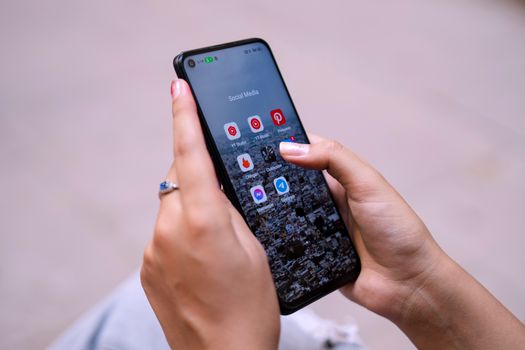
- $1 Services like CART (Communication Access Realtime Translation) provide live captions for meetings, classes, and events. According to the National Court Reporters Association, CART usage in the U.S. grew by 35% between 2015 and 2022. - $1 These allow deaf users to communicate via sign language interpreters using video calls. In 2021, the U.S. Federal Communications Commission reported over 100 million VRS minutes used per month. - $1 Smartwatches and alerting devices vibrate or flash for notifications, making it easier to catch important cues in real time. - $1 Apps and devices powered by artificial intelligence are improving accuracy for speech-to-text, even in noisy environments or with accents. - $1 Platforms like WhatsApp, Facebook Messenger, and Telegram allow instant text, image, and video communication, breaking down daily barriers.Incorporating these technologies into your daily routine can dramatically expand your communication options and boost independence.
Building Bridges: Social Skills and Empathy
Successful communication is about more than words and tools—it’s about attitude, empathy, and connection. Here are ways to strengthen social bonds with hearing people:
- $1 Even without hearing, you can use eye contact, nodding, and facial expressions to show attentiveness. - $1 Look for clubs, support groups, or online forums that bring deaf and hearing people together for shared interests. - $1 Host workshops or casual “lunch and learn” sessions at work or school to introduce basic sign language and deaf etiquette. - $1 Invite hearing friends to deaf events or cultural experiences. The more they learn, the easier future interactions become. - $1 Praise hearing people’s attempts to communicate, even if imperfect. Positive reinforcement encourages continued learning and openness.Over time, these strategies foster mutual respect and understanding, making every interaction more rewarding.
Looking Ahead: Embracing Lifelong Communication Growth
Communicating with hearing people is a journey, not a destination. The world is becoming more accessible, but there is always room for improvement—on both sides. By combining practical strategies, modern technology, and a spirit of empathy, deaf individuals can thrive in mixed-hearing environments.
Remember, every successful conversation builds confidence, reduces barriers, and contributes to a more inclusive society. Whether you’re navigating a job interview, ordering coffee, or making new friends, you have the power to shape the interaction. Embrace each opportunity as a step toward a world where deaf and hearing people connect with ease and respect.