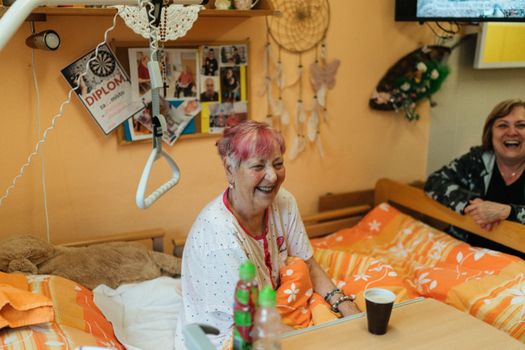
The Czech Republic has made significant progress in supporting and empowering its deaf community, especially in the realm of employment. Yet, despite advances in technology, education, and legal protections, navigating the job market as a deaf individual presents unique challenges and opportunities. Understanding the employment landscape for the deaf in the Czech Republic is essential for job seekers, employers, policymakers, and advocates alike. This article explores the current state of employment opportunities for the deaf, highlights key sectors, outlines government initiatives, examines persistent barriers, and looks ahead to future trends.
The Deaf Community and the Czech Workforce: An Overview
According to the Czech Statistical Office, there are approximately 70,000 people with significant hearing impairment in the Czech Republic, with around 13,000 identifying as culturally Deaf and using Czech Sign Language (Český znakový jazyk, ČZJ) as their primary language. Employment rates among the deaf population have historically lagged behind those of the general population. In 2022, research from the Czech Ministry of Labour and Social Affairs found that only about 45% of working-age deaf individuals were employed, compared to the national average of 74%.
Several factors contribute to this gap, including communication barriers, limited access to accessible education and vocational training, and persistent stereotypes. However, a growing emphasis on inclusion, anti-discrimination laws, and the expansion of support services have started to create new pathways for deaf job seekers.
.png)
Key Sectors Offering Employment Opportunities for the Deaf
While deaf individuals in the Czech Republic can be found in nearly every sector, some fields have proven particularly accessible and welcoming. These sectors often offer roles where visual skills, attention to detail, and unique perspectives are valued.
1. Manufacturing and Light Industry: Many deaf employees work in manufacturing, assembly, and quality control roles. These jobs often rely more on visual and manual skills than on spoken communication. For example, Škoda Auto and other major Czech manufacturers have established targeted hiring and training programs for deaf workers. 2. Information Technology (IT): The tech sector is increasingly inclusive, with roles in software testing, graphic design, and programming. Remote work opportunities and digital communication tools have further opened doors for deaf professionals. 3. Arts and Creative Industries: The Czech Republic has a vibrant deaf arts scene, with employment opportunities in theatre, visual arts, and multimedia. Notable examples include the Theatre of the Deaf in Prague and deaf-led film projects. 4. Social Services and Advocacy: Many deaf individuals work as peer mentors, sign language instructors, and advocates within NGOs, schools, and community organizations. 5. Hospitality and Retail: Some hospitality and retail businesses actively recruit deaf employees, especially in roles that do not require constant verbal interaction. For example, Café na půl cesty in Prague employs a mixed team of deaf and hearing staff, using visual menus and gestures.Government Support and Legal Protections
Recognizing the importance of equal employment opportunities, the Czech government has implemented several policies and support programs for the deaf:
- Anti-Discrimination Laws: The Czech Labour Code and Anti-Discrimination Act prohibit discrimination based on disability, including hearing loss, in hiring and workplace practices. - Subsidies for Employers: Companies that hire deaf employees can access wage subsidies, workplace adaptation grants, and support for hiring sign language interpreters. - Vocational Training: The Czech Ministry of Education and regional employment offices offer specialized vocational programs for deaf students, ranging from IT to culinary arts. - Sign Language Accessibility: Since 2016, Czech Sign Language has been officially recognized, ensuring the right to interpretation in the workplace and during job interviews.Despite these supports, implementation is not always consistent. A 2021 survey by the Association of the Deaf and Hard of Hearing found that only 28% of deaf job seekers felt fully informed about their legal rights, and just half reported that employers provided necessary accommodations.
Barriers and Challenges: What Still Needs to Change?
While progress has been made, deaf job seekers in the Czech Republic still face several persistent barriers:
- Communication Gaps: Many workplaces lack employees or supervisors proficient in Czech Sign Language, making on-the-job communication challenging. - Stereotypes and Misconceptions: Some employers incorrectly assume that deaf employees are less capable or that accommodations are too costly, despite evidence to the contrary. - Limited Access to Higher Education: Only about 5% of deaf Czechs hold a university degree, compared to 22% of the general population (Czech Statistical Office, 2023), limiting access to higher-skilled jobs. - Inadequate Career Guidance: Deaf students and adults often lack tailored career counseling, making it harder to identify suitable career paths.To address these issues, advocacy groups are calling for expanded sign language training for employers, better funding for interpreters, and more comprehensive career services for deaf youth.
Comparing Employment Outcomes: Deaf vs. General Population
The following table provides a snapshot of employment, education, and wage statistics comparing the deaf and general Czech populations (latest available data, 2022):
| Indicator | Deaf Population | General Population |
|---|---|---|
| Employment Rate (ages 18-64) | 45% | 74% |
| Average Monthly Wage (CZK) | 22,000 | 35,400 |
| University Degree Holders | 5% | 22% |
| Use of Workplace Interpreter | 19% | n/a |
These figures highlight the ongoing disparities but also the areas where targeted interventions could make a significant difference.
Innovative Initiatives and Success Stories
Despite the challenges, there are inspiring examples of progress and innovation in deaf employment across the Czech Republic:
- Deaf Business Owners: A growing number of deaf entrepreneurs are launching their own businesses, from craft workshops to technology startups. For instance, the deaf-owned bakery Cukrárna U Anděla in Brno has gained local acclaim for its inclusive hiring practices. - Inclusive Tech Companies: Companies like Avast and Seznam.cz have piloted internships and mentorship programs tailored to deaf students, focusing on skill development and workplace integration. - Sign Language in the Workplace: Several Czech hospitals and public service offices now employ sign language interpreters or train staff in basic ČZJ, increasing accessibility for both employees and clients. - Public Awareness Campaigns: National and regional campaigns, such as "Zaměstnávejme neslyšící" (Let's Employ the Deaf), have helped change public attitudes and encourage more businesses to consider deaf applicants.These initiatives not only create jobs but also raise visibility and challenge stereotypes about deaf capabilities.
Looking Ahead: Future Trends in Deaf Employment in the Czech Republic
The landscape of deaf employment is evolving, influenced by social attitudes, legal reforms, and technological advancements. Some key trends to watch include:
- Expansion of Remote and Hybrid Work: The COVID-19 pandemic accelerated the adoption of remote work, which can be particularly advantageous for deaf employees who benefit from written communication and online accessibility tools. - Growth of Deaf Professional Networks: Social media and networking groups, such as Neslyšící Profesionálové, provide peer support, job leads, and mentorship. - Advances in Assistive Technology: Tools like real-time captioning, video relay services, and AI-based sign language translation are making more workplaces accessible. - Focus on Higher Education: More universities are introducing accessibility services, and there is a push to increase the number of deaf students pursuing degrees in STEM, business, and education.Continued collaboration between government, employers, and the deaf community is essential to ensure these trends translate into real opportunities and improved outcomes.
Final Thoughts on Employment Opportunities for the Deaf in the Czech Republic
The Czech Republic has made commendable strides in expanding employment opportunities for its deaf citizens, but persistent barriers remain. With only 45% of working-age deaf individuals employed and significant gaps in wages and educational attainment, there is a clear need for continued advocacy, innovation, and investment.
Encouragingly, the growing visibility of deaf professionals, forward-thinking employers, and supportive government policies are paving the way for a more inclusive future. By addressing communication barriers, promoting accessible education, and challenging outdated stereotypes, the Czech Republic can unlock the full potential of its deaf workforce — to the benefit of individuals, employers, and society as a whole.