The Impact of COVID-19 on the Lives of the Deaf: How Have They Adapted to New Challenges?
When the COVID-19 pandemic swept the globe in early 2020, it drastically altered daily life for everyone. But for the Deaf and hard-of-hearing community, these changes presented a unique set of challenges. Suddenly, everyday activities—from shopping and seeking medical care to participating in school or work—became significantly more complex. Yet, as history has shown, the Deaf community is resilient. Over the past several years, Deaf individuals and organizations have found innovative ways to adapt to the new challenges brought on by the pandemic, often leveraging technology, community support, and advocacy.
This article explores how COVID-19 affected the Deaf community, the specific obstacles encountered, and the creative solutions that emerged. We’ll also look at what lessons can be learned for a more inclusive future.
.png)
Communication Barriers Amplified by Masks and Social Distancing
One of the most immediate and impactful changes brought on by the pandemic was the widespread use of face masks. For Deaf people who rely on lip reading and facial cues, masks created a sudden and formidable barrier. According to the National Deaf Center on Postsecondary Outcomes, approximately 32 million Americans are Deaf or hard of hearing, and for many, communication became exponentially more difficult almost overnight.
Not only did masks obscure lips, but social distancing further complicated communication by making it harder to use tactile sign language or even to see hand movements clearly. Public announcements, which shifted to loudspeaker or online formats, often excluded sign language interpretation or captions, leaving Deaf individuals without vital information.
To address these issues, several solutions emerged:
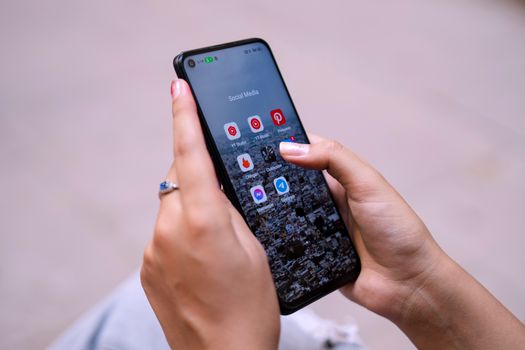
- The introduction and popularization of clear face masks, which allow the mouth to remain visible, although these were initially in short supply and sometimes fogged up. - Increased advocacy led to more widespread inclusion of sign language interpreters for government briefings and public health updates. - Some Deaf individuals developed creative workarounds, such as using mobile phones to type messages or using smartphone apps that provide speech-to-text translations in real time.Remote Work, Education, and Accessibility Gaps
The pandemic forced a rapid shift to remote work and online education, exposing and sometimes widening existing accessibility gaps. For hearing individuals, video conferencing platforms like Zoom, Microsoft Teams, and Google Meet became the norm. But for Deaf people, these tools were not always fully accessible.
A survey by the World Federation of the Deaf in 2021 found that 70% of respondents reported increased communication difficulties during the pandemic, especially in accessing remote services. Key challenges included:
- Lack of built-in captioning or reliable auto-captioning in early versions of video platforms. - Limited availability of qualified sign language interpreters for virtual meetings or classes. - Glitches or poor video quality that made it challenging to read sign language or facial expressions.However, the pivot to digital also brought some unexpected benefits:
- Video relay services and remote interpreting became more widely used and accepted. - Tech companies responded to feedback by improving accessibility features—Zoom, for example, rolled out live captioning for all users in 2021. - Some Deaf students and professionals reported feeling more included in virtual environments where accommodations were proactively provided.The following table summarizes some of the main challenges and adaptations in work and education:
| Challenge | Impact on Deaf Community | Adaptation/Solution |
|---|---|---|
| Face Masks | Obstructed lip reading and facial cues | Clear masks, written communication, speech-to-text apps |
| Online Meetings/Classes | Limited real-time captioning or interpretation | Improved auto-captioning, increased use of video relay/interpreters |
| Social Distancing | Difficulties in tactile sign communication | Video calls, text-based communication |
| Public Announcements | Lack of sign language or captioned briefings | Advocacy for interpreter presence, accessible media |
Healthcare Access: Navigating a New Set of Obstacles
Accessing healthcare during the pandemic was challenging for many, but for Deaf individuals, the stakes were especially high. Communication with healthcare providers is critical, yet many hospitals and clinics scrambled to adapt to the new normal, often at the expense of accessibility.
A 2020 study in the Journal of Deaf Studies and Deaf Education highlighted that only 23% of surveyed Deaf patients felt they received adequate access to interpreters during medical visits in the early months of the pandemic. The sudden move to telehealth also posed challenges—many telemedicine platforms did not originally support video relay interpreting, and some providers were unfamiliar with how to include interpreters in virtual visits.
Despite these obstacles, the Deaf community and advocacy organizations pushed for rapid change:
- Hospitals and clinics began to use video remote interpreting (VRI) more frequently, allowing interpreters to join appointments virtually. - Some healthcare systems updated their telehealth platforms to support multi-user video calls, making it easier to include interpreters. - Deaf patients and their families often had to become their own advocates, requesting accommodations and ensuring their rights were protected under laws like the Americans with Disabilities Act (ADA).Mental Health and Social Isolation: The Hidden Toll
While the physical health risks of COVID-19 were front and center, the pandemic also took a significant toll on mental health—particularly for Deaf individuals who experienced heightened social isolation. Many Deaf people rely on in-person social gatherings, Deaf clubs, and community events for support and cultural connection. Lockdowns and social distancing measures abruptly cut off these vital networks.
Research from the National Association of the Deaf found that rates of reported loneliness and anxiety increased by up to 50% among Deaf adults during the height of the pandemic. Factors contributing to this included:
- Barriers to participating in online social activities due to lack of captioning or interpreting. - Reduced access to Deaf mental health professionals who understand the unique experiences of Deaf clients. - Increased reliance on hearing family members or caregivers, which could be isolating for those from non-signing households.However, the community responded with resilience and innovation:
- Grassroots groups organized virtual Deaf meetups, support groups, and cultural events using accessible platforms. - Mental health organizations created resources specifically for Deaf individuals, including sign language videos and crisis text lines. - Some Deaf professionals began offering therapy and support services remotely in sign language, expanding access to mental health care.Community Resilience and Advocacy: Lessons for the Future
Perhaps the most striking aspect of the Deaf community’s response to COVID-19 has been its collective resilience. Deaf advocacy organizations, from the World Federation of the Deaf to local grassroots groups, mobilized quickly to demand accessible information and services.
For example, in the Czech Republic, the Union of the Deaf and Hearing Impaired pushed for the inclusion of Czech Sign Language interpreters during public health briefings. Globally, social media campaigns raised awareness about the need for accessible masks, captioning, and inclusive public communication.
Key achievements and lessons include:
- Greater public awareness of accessibility needs, leading to more inclusive policies and technologies. - Permanent improvements to digital accessibility, such as universal captioning on major video platforms. - Recognition that accessibility must be built into emergency planning from the start, rather than as an afterthought.Looking Ahead: Building a More Inclusive Post-Pandemic World for the Deaf
The COVID-19 pandemic exposed existing inequalities, but also accelerated progress in accessibility and inclusion for the Deaf community. Many of the adaptations made out of necessity—such as remote interpreting, clear face masks, and digital accessibility improvements—are likely to have lasting benefits.
Moving forward, continued advocacy is essential to ensure that accessibility remains a priority, not just during emergencies but as part of everyday life. This means:
- Ongoing investment in accessible technology and services. - Ensuring that public health information is always available in sign language and with captions. - Supporting mental health and social connection for Deaf individuals, both online and offline.Ultimately, the Deaf community’s experience during the pandemic offers valuable lessons about resilience, creativity, and the importance of accessibility for all.