Learning sign language is a transformative skill that opens doors to new communities and deeper understanding of diverse cultures. In recent years, technology has revolutionized the way people approach language acquisition, making it easier than ever to access high-quality resources for learning sign language from anywhere in the world. Whether you want to communicate with Deaf friends and family, work in an inclusive environment, or simply expand your linguistic repertoire, online courses and mobile apps offer flexible, affordable, and engaging ways to learn. This article explores effective strategies for learning sign language online, evaluates popular tools, and discusses how to maximize your progress using digital resources.
The Rise of Online Sign Language Learning
The digital era has made sign language more accessible than ever before. Traditionally, learning sign language required in-person classes or direct interaction with the Deaf community. While these remain invaluable, the proliferation of online education platforms and mobile applications has democratized access for millions. According to a 2023 report by Statista, over 1.2 million people worldwide have enrolled in online American Sign Language (ASL) courses, a number that has grown by 28% since 2020. This surge is due in part to the COVID-19 pandemic, which accelerated the adoption of remote learning and fueled a broader awareness of accessibility and inclusion.
Online platforms now offer courses in more than 20 different sign languages, including British Sign Language (BSL), Australian Sign Language (Auslan), and International Sign. This diversity ensures that learners across the globe can find resources tailored to their region and needs.
.png)
Choosing the Right Online Course: What to Look For
Not all online sign language courses are created equal. Selecting the right program is crucial for effective learning and long-term retention. Here are several key factors to consider:
1. $1: Look for courses that are well-organized, progressing from basic vocabulary and grammar to conversational skills and cultural insights. Video demonstrations are essential, as sign language is a visual-spatial language. 2. $1: Courses taught or reviewed by Deaf instructors or certified interpreters are generally more authentic and accurate. Representation matters, and learning from the Deaf community ensures cultural nuances are respected. 3. $1: Features such as quizzes, peer interaction, and feedback on your signing help reinforce learning. Some platforms offer live practice sessions or community forums for real-time communication. 4. $1: If you need proof of completion for professional or academic reasons, check whether the course offers a recognized certificate.Here’s a comparison table of popular online sign language courses:
| Course Platform | Languages Offered | Instructor Type | Certification | Cost (USD) |
|---|---|---|---|---|
| ASL University (Lifeprint) | ASL | Deaf instructor | No | Free |
| Udemy | ASL, BSL, Auslan | Varied | Yes | $19.99-$99.99 |
| SignSchool | ASL | Diverse team | No | Free |
| British-sign.co.uk | BSL | Certified BSL tutors | Yes | £25 (~$32) |
Choosing a course aligned with your learning goals, budget, and preferred sign language is the first step to success.
Mobile Apps: Learning on the Go
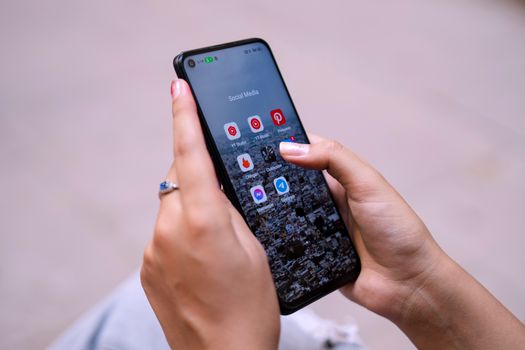
Mobile apps have revolutionized language learning by making it possible to practice anytime, anywhere. A 2022 survey by the National Association of the Deaf found that 67% of sign language learners used at least one mobile app. These apps typically focus on bite-sized lessons, gamified practice, and video demonstrations.
Some of the most popular sign language learning apps include:
- $1: Created by Deaf ASL users, this app features over 1,000 signs, phrases, and video lessons. It’s ideal for quick reference and daily practice. - $1: Offers daily sign “challenges”, themed lessons, and a customizable learning pace. It’s available for both iOS and Android. - $1: Structured in interactive lessons with AI feedback, Lingvano is designed for beginners and intermediate learners. The app reported over 250,000 downloads in 2023.Unlike traditional textbooks, apps can send reminders, track your progress, and integrate practice into your daily routine. Many also offer offline access, so you can practice even without an internet connection.
Maximizing Your Progress: Tips for Effective Online Learning
While online courses and apps provide excellent resources, your commitment and learning strategies determine your success. Here are research-backed tips for making the most of digital sign language learning:
1. $1: Decide why you want to learn sign language and set measurable milestones. For example, aim to master the alphabet in one week or hold a basic conversation within a month. 2. $1: A study published in the "Journal of Deaf Studies and Deaf Education" found that learners who practiced 15 minutes daily progressed 40% faster than those who studied once a week. 3. $1: Sign language relies heavily on movement and facial expression. Record yourself signing or practice in front of a mirror to improve your accuracy and confidence. 4. $1: Join online forums, social media groups, or virtual events where you can interact with other learners and native signers. This real-world exposure is vital for mastering conversational skills. 5. $1: Don’t rely on a single course or app. Supplement your learning with YouTube channels, online dictionaries, or local Deaf community events. This diversity deepens your understanding and keeps you motivated.Overcoming Challenges in Online Sign Language Learning
Learning any language online comes with unique challenges, and sign language is no exception. The visual and three-dimensional nature of signing can make it difficult to capture every nuance through a screen. Here are some common obstacles and ways to overcome them:
- $1: Without face-to-face interaction, it’s easy to develop bad habits or misunderstand gestures. Solutions include joining live video classes, submitting practice videos for review, or using AI-powered apps that analyze your signing. - $1: Sign language is deeply tied to Deaf culture and local customs. Online courses that incorporate cultural lessons, interviews with Deaf community members, or virtual field trips make learning more holistic. - $1: Self-paced learning can lead to procrastination. Setting reminders, joining study groups, or participating in online challenges can help keep you on track.Despite these challenges, technology continues to evolve. For instance, some universities now offer virtual reality (VR) sign language labs, allowing learners to interact with avatars in realistic scenarios.
How Online Learning Is Shaping the Future of Sign Language
The impact of online courses and mobile apps on sign language learning is profound. According to the World Federation of the Deaf, the number of people who can communicate in sign language has doubled in the past decade, largely thanks to digital tools. These platforms break down geographic and economic barriers, making sign language accessible to hearing and Deaf people alike.
Online resources are also fostering a more inclusive society. Employers are increasingly encouraging staff to learn basic sign language via apps, and schools are integrating digital sign language modules into their curricula. In 2021, New Zealand became one of the first countries to offer its national sign language as an online course for all public servants, leading to a 35% increase in enrollments within the first year.
As technology advances, expect to see more immersive tools—such as AI tutors, VR environments, and real-time translation apps—making sign language learning even more interactive and effective.
Empowering Yourself: The Benefits of Learning Sign Language Online
Learning sign language online is not just about mastering a new skill. It’s about forging connections, embracing diversity, and contributing to a more accessible world. Whether you’re a parent of a Deaf child, a healthcare worker, or simply curious, online courses and apps put a world of resources at your fingertips.
With structured lessons, interactive practice, and supportive communities, digital platforms make learning sign language practical, affordable, and fun. As you embark on this journey, remember that consistency, patience, and openness to new experiences are the keys to success.