Communicating effectively as a deaf person is a dynamic, empowering process that goes far beyond simply relying on sign language. Deaf individuals use a rich toolkit of strategies, technologies, and creative approaches to connect with hearing people, other deaf individuals, and the world around them. In today’s increasingly inclusive society, understanding and utilizing these methods can dramatically enhance everyday life, open new opportunities, and foster deeper relationships. Whether you are deaf, hard of hearing, or communicating with someone who is, recognizing and applying practical strategies can make every interaction more meaningful.
In this article, we will explore essential tips and techniques for effective communication as a deaf person, focusing on real-world strategies, technological aids, and social skills that make conversations smoother and more accessible.
Understanding the Diversity of Deaf Communication Styles
The deaf community is far from monolithic; individuals communicate in diverse ways depending on their background, education, and personal preference. Recognizing this diversity is the first step toward effective communication.
.png)
Some deaf individuals prefer sign language, such as American Sign Language (ASL) or British Sign Language (BSL), while others rely on lip-reading, written communication, or assistive technology. The World Health Organization estimates that over 430 million people worldwide have disabling hearing loss, and within this group, communication needs and strategies vary widely.
Understanding this spectrum is key. For example, some deaf people are fluent in both sign language and spoken/written language, while others might use one more exclusively. Factors such as age of onset of deafness, educational background, and cultural identity all influence preferred communication methods.
Flexibility and openness are crucial. When meeting new people, don’t assume a one-size-fits-all approach. Instead, ask what works best for them, whether it’s signing, texting, using an interpreter, or another method.
Embracing Assistive Technology for Seamless Communication
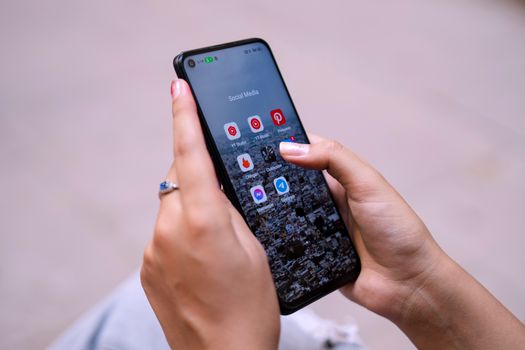
Technological advancements have revolutionized communication options for deaf individuals. From smartphones to specialized devices, technology can bridge gaps and reduce frustration.
One of the most significant developments is the rise of real-time captioning apps. For example, Google’s Live Transcribe and Ava can instantly convert speech into text using a smartphone or tablet. According to a 2023 report by the National Association of the Deaf, 72% of deaf respondents reported using captioning apps in their daily lives, especially during meetings or appointments.
Video relay services (VRS) also play a vital role. These services enable deaf individuals to make phone calls using a sign language interpreter via video. In the United States alone, over 1 million VRS calls are made every month, according to the Federal Communications Commission (FCC).
Other popular devices and apps include:
- Visual alert systems (e.g., flashing doorbells, alarm clocks) - Speech-to-text software - Text telephones (TTY) - Video remote interpreting (VRI) for on-demand interpreting in hospitals or public officesHere’s a comparison table showing some of the most popular assistive communication tools for the deaf:
| Tool/App | Primary Function | Typical Use Case | Estimated Users (2023) |
|---|---|---|---|
| Google Live Transcribe | Real-time speech-to-text | Conversations, meetings | Over 10 million downloads |
| Ava | Group captioning | Team meetings, classrooms | 300,000+ users |
| Video Relay Service (VRS) | Sign language phone calls | Remote calls, emergencies | 1 million+ calls/month (US) |
| TTY | Text-based phone calls | Home/office landlines | Decreasing, < 100,000 in US |
Choosing the right technology depends on context, comfort, and access. Experimenting with different options and staying updated on new tools can further enhance daily communication.
Mastering Non-Verbal Communication Skills
While technology and sign language are powerful, non-verbal communication remains one of the most accessible and universally understood strategies for deaf individuals. Body language, facial expressions, and gestures can convey meaning, emotion, and intent even when words fall short.
Research published by the University of Manchester in 2022 found that up to 93% of communication effectiveness in face-to-face settings comes from non-verbal cues. Deaf individuals often excel at interpreting subtle visual signals, making them highly attuned communicators.
Some practical non-verbal techniques include:
- Maintaining eye contact to signal attention and engagement - Using expressive facial expressions to emphasize tone or emotion - Employing clear, deliberate gestures for common instructions (e.g., “come here,” “wait”) - Pointing or miming objects and actions during conversationsFor group settings, strategies like raising a hand to indicate a turn to speak or signaling agreement/disagreement with a simple thumbs up or down can help ensure everyone is included.
It’s important not to rely exclusively on lip-reading, as studies show that even the most skilled lip-readers can only accurately understand about 30% of spoken English due to similar-looking lip movements for different sounds.
Building Effective Communication Partnerships
Effective communication is a two-way street. Creating an environment where both deaf and hearing individuals feel comfortable leads to more productive, respectful interactions.
Proactive communication is key. Deaf individuals can let others know their preferred method (sign, speech-to-text, writing, etc.) at the outset of a conversation. According to a 2021 survey by Gallaudet University, 68% of deaf respondents said that informing others about their communication preferences improved the quality of interactions.
Tips for building successful partnerships include:
- Briefly explaining your preferred communication method at the start of every new interaction - Encouraging patience and a willingness to repeat or clarify as needed - Using written notes, phone apps, or whiteboards in noisy or group environments - Requesting seating arrangements that allow for clear sightlines (e.g., round tables, good lighting) - Advocating for interpreters during public events, appointments, or conferencesEqually, hearing partners can:
- Speak clearly and at a natural pace (not exaggeratedly slow or loud) - Face the deaf person while talking and avoid covering their mouth - Support the use of visual aids, captions, or written summariesCollaboration and mutual respect turn potential communication challenges into opportunities for connection.
Navigating Public Spaces and Group Settings
Public places and group events can pose unique communication barriers for deaf individuals. However, with preparation and advocacy, these environments can become much more accessible.
For example, when attending events, it’s helpful to contact organizers in advance to request accommodations such as sign language interpreters, real-time captioning, or reserved seating with optimal visibility. The Americans with Disabilities Act (ADA) in the United States and similar laws globally guarantee these rights; over 85% of large US events now provide some form of accessibility support.
In group meetings, strategies like assigning a facilitator to manage turn-taking, using visual agendas, and ensuring that only one person speaks at a time can be invaluable. Apps like Microsoft Teams and Zoom now offer built-in live captions, making virtual meetings more inclusive.
Carrying a notepad, smartphone, or communication cards can also be a lifesaver in spontaneous situations, such as at a doctor’s office or when traveling.
Self-Advocacy and Confidence in Communication
Perhaps the most important strategy for effective communication as a deaf person is self-advocacy. Speaking up for your needs, educating others, and confidently using available resources can transform your daily experiences.
Self-advocacy might mean:
- Politely correcting a misunderstanding or miscommunication - Asking for clarification or repetition without hesitation - Educating friends, colleagues, and service providers on best ways to communicate - Joining deaf advocacy groups or organizations for support and empowermentAccording to the National Deaf Center, deaf individuals who frequently advocate for themselves report a 40% higher satisfaction rate in workplace and educational settings.
Building confidence in communication comes with practice, positive reinforcement, and the support of an inclusive community.
Empowering Communication: Final Thoughts on Strategies for Deaf Individuals
Effective communication as a deaf person is a multifaceted journey, shaped by technology, non-verbal skills, proactive partnerships, and personal advocacy. By embracing diverse tools and strategies—ranging from assistive apps to expressive body language—deaf individuals can navigate any social or professional setting with confidence and clarity.
Society’s growing awareness and the increasing availability of technology are making communication more accessible than ever before. The key is to remain flexible, self-assured, and open to new methods, ensuring every conversation is inclusive and meaningful.