Engaging in sports offers countless benefits: improved physical health, teamwork skills, increased self-esteem, and a sense of belonging. For deaf individuals, participating in sports can be especially empowering, offering a platform to break barriers, foster inclusion, and challenge societal perceptions about deafness. While there are unique challenges to accessing sports as a deaf person, a wide range of options, adaptations, and examples show that meaningful participation is not only possible but thriving. This article explores how deaf people can actively engage in sports, covering accessible options, adaptations, community resources, and inspiring real-world examples.
Understanding the Challenges and Opportunities for Deaf Athletes
Deaf athletes often face obstacles that can make traditional sports participation more complex. One primary challenge is communication: many mainstream sports rely heavily on auditory cues, such as whistles, shouts, or spoken instructions. This can create barriers to understanding game rules, strategy changes, or even safety warnings.
However, these challenges have led to significant innovations and adaptations, both at the grassroots and elite levels. According to the World Federation of the Deaf, there are over 70 million deaf people worldwide. With such a large community, a vibrant ecosystem of deaf-friendly sports leagues, organizations, and events has emerged. Many mainstream sports clubs are also increasingly aware of the need for inclusion, offering adaptations and fostering environments where deaf athletes can thrive.
.png)
Popular Sports Among Deaf Participants
Many sports are accessible or easily adaptable for deaf athletes. Some of the most popular choices include:
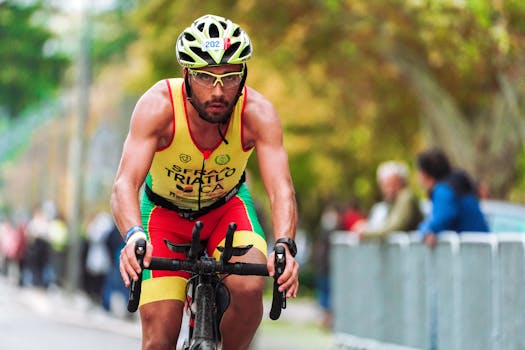
- Athletics (track and field) - Football (soccer) - Basketball - Volleyball - Swimming - Martial arts - Tennis - CyclingFor example, the International Committee of Sports for the Deaf (ICSD) organizes the Deaflympics, an event featuring 21 summer and 5 winter sports categories. The 2022 Deaflympics in Caxias do Sul, Brazil, attracted over 2,500 athletes from 77 countries, demonstrating the global scale of deaf sports participation.
Team sports such as football and basketball are particularly popular because visual communication and teamwork are emphasized. Deaf football teams, for instance, often use visual signals, hand gestures, and body language to coordinate plays. In swimming, starting lights replace the sound of a starting gun, ensuring fairness and accessibility.
The table below provides a comparison of common sports and typical adaptations used to make them accessible to deaf athletes:
| Sport | Key Adaptations | Notable Organizations/Events |
|---|---|---|
| Football (Soccer) | Visual signals, flag systems, vibrating armbands | Deaf Football Championships, Deaflympics |
| Basketball | Hand signals, visual time clocks | Deaf Basketball Leagues, Deaflympics |
| Swimming | Light signals for start, visual lap counters | Deaf Swimming Championships |
| Martial Arts | Visual instructions, tactile cues | Deaf Judo/ Karate Tournaments |
| Cycling | Visual flag signals, group riding protocols | Deaf Cycling World Championships |
Adaptations and Technology: How Sports Become Accessible
Modern technology and creative adaptations play a crucial role in making sports more accessible for deaf participants. Here are some of the most impactful solutions:
1. $1 Instead of relying on whistles or shouts, many sports now use flags, flashlights, or hand signals to communicate starts, stops, or fouls. For example, in basketball, referees may use large, distinctive hand movements to indicate calls. 2. $1 Wearable technology, such as vibrating armbands or wristbands, can alert athletes to important cues like the start of a race or a change in play. These devices are especially useful in environments with high visual distraction or limited sightlines. 3. $1 Large, clear scoreboards and countdown timers keep all participants informed, regardless of hearing ability. This is prevalent in swimming and athletics events. 4. $1 Coaches, referees, and teammates increasingly learn basic sign language, or teams employ interpreters to ensure clear communication during training and competition. 5. $1 Video tutorials with subtitles, visual playbooks, and diagrams help deaf athletes learn strategies and rules effectively.According to a 2021 survey by the UK Deaf Sport organization, 82% of deaf respondents reported that visual adaptations significantly improved their sports experience. This highlights the importance of continued investment in inclusive technology and resources.
How to Get Started: Finding Deaf Sports Clubs and Inclusive Programs
For those new to sports or looking to join a community, finding the right club or program is essential. Many cities have deaf sports associations, offering everything from recreational leagues to competitive teams. Here’s how to begin:
1. $1 Many countries have national or regional deaf sports federations (e.g., USA Deaf Sports Federation, UK Deaf Sport, Czech Deaf Sports Federation). These organizations list clubs, events, and resources tailored for deaf athletes. 2. $1 Increasingly, mainstream sports clubs are adopting inclusive practices. Look for clubs that advertise accessible facilities, trained coaches, or partnerships with deaf organizations. 3. $1 Platforms like Facebook, Meetup, and Instagram host groups for deaf athletes. These can be valuable spaces for networking, sharing experiences, and finding local events. 4. $1 Many educational institutions offer adapted sports programs or support for deaf students, often in collaboration with local sports organizations. 5. $1 For those seeking a higher level of competition, events like the Deaflympics or European Deaf Sports Championships offer opportunities to connect with athletes from around the world.A 2019 study by the European Deaf Sport Organization found that over 60% of deaf athletes first engaged in sports through specialized clubs, highlighting the importance of targeted outreach and community-building.
Inspiring Examples of Deaf Athletes Excelling in Sports
Deaf athletes have a long and proud history of achievement, from grassroots participation to the world stage. Their stories demonstrate the power of perseverance, adaptation, and talent.
- $1 South African swimmer Terence Parkin, who is deaf, won a silver medal at the 2000 Sydney Olympic Games and has an astonishing 29 Deaflympics medals. Parkin’s success helped raise awareness about deaf athletes’ capabilities and inspired countless others. - $1 Born deaf, American motocross racer Ashley Fiolek is a two-time X Games gold medalist and four-time AMA Motocross national champion. Fiolek communicates with her team using sign language and visual cues, shattering stereotypes in a highly competitive and physically demanding sport. - $1 In 2023, the Czech Republic’s national deaf women’s football team ranked in the top 10 in Europe, reflecting the growing strength of women’s deaf sports in Central Europe.Their achievements underscore that, with the right support and adaptations, deaf athletes can compete and excel at the highest levels.
Building Inclusive Sports Communities: Tips for Deaf and Hearing Participants
Creating truly inclusive sports environments requires commitment from both deaf and hearing participants. Here are some actionable tips:
- $1 - Advocate for your needs—request visual aids, interpreters, or modifications as required. - Learn about your rights under local and international disability laws. - Connect with other deaf athletes for advice and support. - $1 - Train staff in basic sign language and deaf awareness. - Use visual aids and clear, consistent signals during practice and games. - Foster an open environment where athletes feel comfortable discussing accessibility needs. - $1 - Use gestures, eye contact, and written notes to communicate. - Include deaf teammates in social activities and strategy discussions. - Be patient and proactive in bridging communication gaps.According to data from the US Centers for Disease Control and Prevention, inclusive physical activity can reduce depression and anxiety by up to 30%. This highlights the profound impact of accessible sports on both physical and mental wellbeing.
Final Thoughts: The Expanding World of Deaf Sports Participation
Engaging in sports as a deaf person is not just possible—it’s increasingly mainstream. With a growing network of specialized clubs, innovative technology, and inspiring role models, the barriers to participation are steadily falling. Whether through adapted team sports, individual pursuits, or elite competition, deaf athletes are making their marks everywhere from local gyms to international arenas.
The key to ongoing progress lies in recognizing the unique needs of deaf participants and working collaboratively to create environments that are welcoming, accessible, and empowering. For anyone considering joining a sport—deaf or hearing—the message is clear: everyone belongs on the field, in the pool, and on the court.