Technology has become an indispensable part of modern life, but for the deaf and hard-of-hearing community, its impact is nothing short of transformative. While many people take communication and information access for granted, those with hearing loss often face daily barriers, from missing out on conversations to struggling with public announcements or emergency warnings. Fortunately, advances in technology are bridging these gaps in innovative ways, empowering deaf individuals to participate more fully in every aspect of life. This article explores how technology—beyond the most common apps and devices—can be leveraged to improve the everyday experiences of the deaf, focusing on real-world solutions, emerging innovations, and practical strategies that go beyond the basics.
Revolutionizing Communication: Beyond Text and Video Calls
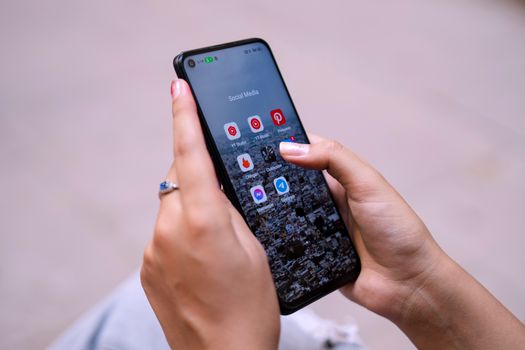
For decades, text messaging and video calls with sign language have been lifelines for the deaf community. But modern technology is taking communication even further, making interactions smoother and more inclusive. Today, artificial intelligence (AI) and machine learning are powering real-time speech-to-text transcription services that are more accurate than ever. For example, Google's Live Transcribe app supports over 80 languages and dialects, providing near-instant captions for spoken conversations in noisy environments.
In addition to mobile apps, wearable technology is making waves. Smartwatches like the Apple Watch and Samsung Galaxy Watch offer haptic feedback—gentle vibrations that alert users to incoming calls, alarms, or messages. This discreet notification system ensures that deaf individuals are always in the loop, even when their phones are out of reach or it's impractical to check a screen.
.png)
Emerging communication aids include smart glasses equipped with augmented reality (AR) displays. Devices like the XRAI Glass can show subtitles directly in a user's field of vision, allowing deaf individuals to follow group conversations or public speakers without having to look away from the action. These innovations are closing the gap between the hearing and deaf worlds, making communication more natural and seamless than ever.
Accessible Public Spaces: Making Everyday Navigation Easier
Navigating public spaces—from airports to shopping centers—presents unique challenges for the deaf community, especially when important information is shared via announcements or intercoms. Technology is stepping in to make these environments more accessible.
Many public venues now integrate visual alert systems. For example, airports in the United States are required by the Air Carrier Access Act to provide visual paging systems for flight announcements. Similarly, newer public transportation systems display real-time arrival and departure information on large digital screens. These improvements help ensure that deaf individuals receive the same timely information as everyone else.
Navigation apps like Google Maps and Apple Maps have also introduced silent navigation features. Instead of relying on spoken directions, these apps can deliver step-by-step haptic signals or visual cues, guiding users through complex spaces without missing a beat. In cities such as Prague and London, public transit apps now include real-time captions for service updates, detours, and emergency alerts.
For the home environment, smart doorbells and security systems like Ring or Nest offer video feeds and instant notifications, so deaf users can see and communicate with visitors via their smartphones, even when they're not physically near the door. These technologies are building a safer, more independent daily experience.
Education and Learning: Inclusive Classrooms and Resources
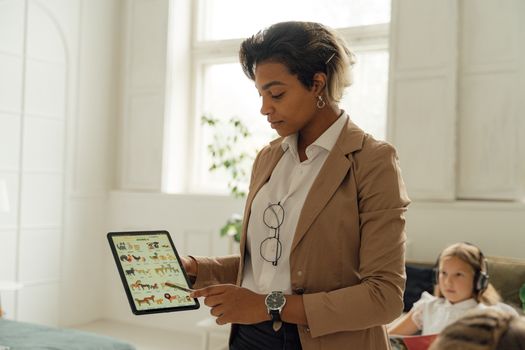
Educational accessibility remains a top concern for the deaf community, and technology offers a powerful toolkit for overcoming barriers. Interactive whiteboards, captioned video lectures, and digital textbooks with sign language videos are becoming standard in progressive schools and universities.
Speech recognition software now allows real-time captioning of classroom discussions, making it easier for deaf students to follow lectures and participate in group work. For example, Microsoft's PowerPoint includes an automatic subtitles feature that can display captions in over 60 languages, while Zoom offers live transcription for virtual classes.
Online platforms like Khan Academy and Coursera have expanded their accessibility features, including sign language interpretation, subtitles, and custom playback speeds. In 2023, over 70% of major online learning platforms offered at least basic captioning support—a significant improvement from just 45% in 2018.
Moreover, tailored educational apps and games designed for deaf children are helping bridge early learning gaps. These apps use visual storytelling, interactive quizzes, and sign language integration to make learning both fun and accessible, supporting language development from a young age.
Healthcare Access: Breaking Down Barriers with Smart Solutions
Accessing healthcare can be daunting for deaf individuals due to communication barriers with medical staff and a lack of accessible information. Technology is proving to be a vital ally in making healthcare more inclusive and effective.
Telemedicine platforms now offer real-time sign language interpretation and text-based chat features, allowing deaf patients to communicate seamlessly with their doctors. According to a 2022 survey by the National Association of the Deaf, 62% of deaf respondents reported improved satisfaction with healthcare services after the introduction of accessible telehealth options.
Wearable health monitors, such as Fitbit and Apple Watch, can track vital signs and send silent alerts or reminders for medications, doctor appointments, or emergencies. These features are particularly valuable for deaf seniors or those with multiple health conditions, as they provide peace of mind and greater autonomy.
Hospitals and clinics are also adopting visual paging systems and digital check-in kiosks that offer sign language or text-based instructions. Accessible health information portals now provide educational materials in sign language videos and written transcripts, ensuring that deaf patients have the information they need to make informed decisions about their health.
Entertainment and Social Inclusion: Expanding Horizons for the Deaf Community
Enjoying movies, music, and social activities is an essential part of life, and technology is making these experiences more accessible and enjoyable for the deaf. Streaming platforms like Netflix, Disney+, and Amazon Prime now offer extensive subtitle and closed caption options—over 95% of titles on these platforms had captions as of 2024.
Music apps like Spotify and SoundHound are integrating visualizations and haptic feedback features, enabling deaf users to "feel" the rhythm of songs through synchronized vibrations. In theaters, devices like closed captioning glasses and open caption screenings are becoming more widespread, making live performances and movies accessible in real time.
Social media platforms have also stepped up. TikTok and Instagram offer auto-captioning tools, while Facebook has expanded its sign language support for live videos. Online gaming communities, such as those on Discord, now feature text-to-speech and speech-to-text integrations, allowing deaf gamers to participate in voice chats and multiplayer games.
Below is a comparison table of various entertainment accessibility features across major platforms:
| Platform | Subtitles/Closed Captions | Sign Language Interpretation | Haptic Feedback/Visualizations |
|---|---|---|---|
| Netflix | Yes (95%+ titles) | No | No |
| Disney+ | Yes (98%+ titles) | No | No |
| Spotify | No | No | Yes (with third-party devices/apps) |
| Amazon Prime Video | Yes (93%+ titles) | No | No |
| TikTok | Auto-caption tool | No | No |
Smart Homes and Everyday Independence for the Deaf
The smart home revolution is particularly impactful for the deaf community, offering new levels of independence, safety, and convenience. Smart home hubs like Amazon Echo and Google Nest can be integrated with visual and vibration-based alerts for everything from doorbells to smoke detectors.
For example, the Philips Hue lighting system can be programmed to flash different colors for various alerts—red for fire alarms, blue for doorbells, and green for incoming messages. This visual language ensures that deaf individuals can respond quickly to important events at home.
Appliances like washing machines, ovens, and microwaves are increasingly equipped with visual indicators or companion apps that send notifications to smartphones or wearables. In the event of emergencies, smart home security systems can trigger strobe lights or send immediate alerts to emergency contacts.
According to a 2023 survey conducted by the Hearing Loss Association of America, 78% of deaf respondents who used smart home devices reported feeling "significantly more independent" in their daily lives. These technologies not only support day-to-day living but also foster confidence and autonomy.
Looking Ahead: The Future of Technology and Deaf Inclusion
The pace of technological advancement shows no signs of slowing, and the future holds even greater promise for enhancing the everyday lives of the deaf. Innovations on the horizon include brain-computer interfaces that may one day interpret sign language directly from a user’s neural signals, ultra-compact wearable translators, and fully immersive AR environments tailored for deaf communication.
Artificial intelligence continues to improve, making real-time translation and captioning more accurate and accessible. Public and private investment in accessibility is also increasing: in 2023, the global market for assistive technology for the deaf was valued at over $7.5 billion, with projections to reach $12 billion by 2028.
As society becomes more attuned to the needs of the deaf community, it’s crucial for both developers and policymakers to prioritize universal design, ensuring that accessibility is built into every new technology from the start. The more inclusive technology becomes, the more empowered and connected the deaf community will be—both online and in the real world.